Free delivery on orders of $70 or more (Quebec/Ontario), $100 (rest of Canada) before taxes and after discounts.


With its flamboyant colors and cooler temperatures, fall is a beloved season for many. It’s also a time when illnesses seem to increase: colds, flu, and other respiratory infections are more common.
It’s common to wonder why we get sick more often at this time of year. While several factors are at play, environmental, behavioral, and biological causes explain this trend.

Temperature changes and their impact on our bodies
One of the main reasons we get sick more in the fall is related to temperature fluctuations. As summer ends and temperatures begin to drop, our bodies must adapt. This transition process can temporarily weaken our immune system, making it more vulnerable to infections.
For example, moving from a warm environment to a cold one, or vice versa, can stress the body. This sudden change in temperature can also affect the nasal mucosa, making it harder for us to filter viruses before they enter our respiratory tract.
Proximity and spread of viruses
Autumn also marks the return to indoor activities. As summer draws to a close, we spend more time outdoors, often spending time in enclosed spaces: schools, offices, public transportation, and shopping malls. This return to indoor spaces fosters close proximity and increases the chances of virus transmission.
We know that viruses that cause colds and flu spread more easily in enclosed environments where air circulation is less. This is also the case in places where people are in close contact.
The impact of seasonal habits
With the arrival of fall, our habits change, and some of these changes also contribute to a greater susceptibility to illness. For example, the return to school and work brings groups of people from different regions into contact with each other, which promotes the spread of viruses that were not present in other geographic areas. Furthermore, the stress of returning to work or school can weaken the immune system, making the body more vulnerable to infections.
Our eating habits can also change during this time. Summer is often synonymous with light meals rich in fresh fruits and vegetables. Fall sometimes leads us to consume heavier foods, less rich in essential nutrients, which can affect our overall health.
Less natural light and its effect on the immune system
In the fall, the days get shorter and we receive less natural light. This decrease in brightness has direct consequences on our bodies, particularly on the production of vitamin D. This vitamin, which plays an essential role in the proper functioning of the immune system, is mainly synthesized by our skin during exposure to the sun. When we spend less time outdoors and the intensity of the sun’s rays (UV) decreases, our vitamin D production drops, making our immune system less effective.
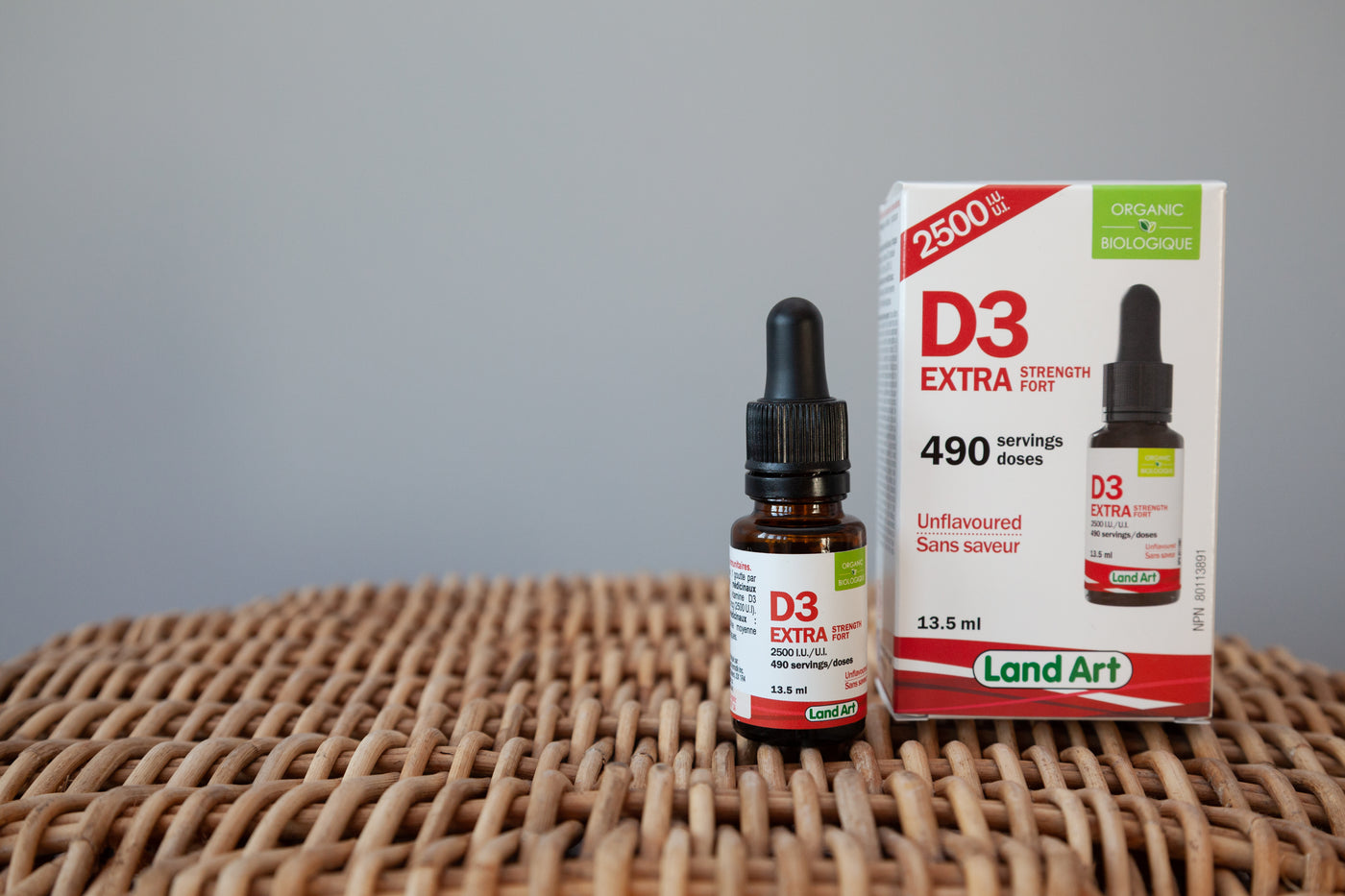
It is strongly recommended to take a vitamin D3 supplement year-round, especially during the colder, less sunny seasons. This helps fill the vitamin gap during the colder months.
Land Art is your ally in achieving this goal by now offering a complete range of Vitamin D3. This includes five formulas, from one for babies to a new 100% vegan option, suitable for all members of your family, regardless of age. We invite you to visit the product pages of our certified organic vitamin D3 to find which one would be most suitable for you:

Autumn is a time of transition, both for nature and for our bodies. Temperature changes, a lack of natural light, the return to indoor activities, and increased closeness are all factors that contribute to the rise in illness.
It’s important to pay special attention to our health at this time of year by adopting habits that strengthen our immune system: a balanced diet, regular exposure to daylight, good stress management, and taking supplements tailored to our needs.
By better understanding why we get sick more often in the fall, we can implement strategies to face the change of season in top form.
Sources
- Institut National de la Santé et de la Recherche Médicale (INSERM) : L’impact du manque de vitamine D sur le système immunitaire
- Harvard Health Publishing : Pourquoi nous tombons malades en hiver : la science derrière les virus
- Organisation Mondiale de la Santé (OMS) : Les effets du changement de température sur la santé
- Canadian Centre for Occupational Health and Safety : La qualité de l’air intérieur et la transmission des virus
- National Institutes of Health (NIH) : Seasonal variability in immune function and disease susceptibility
- Journal of Infection : Humidity and respiratory virus survival